
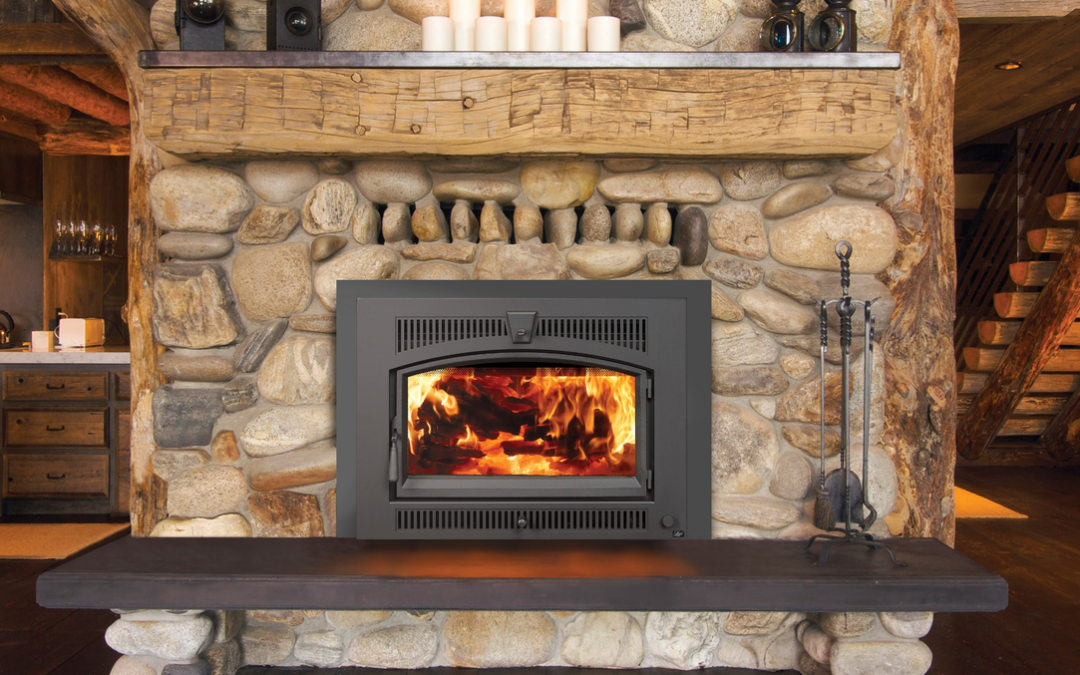
With the fallout of the current conflict in Iran and the ongoing shipping disruptions in the Straight of Hormuz, heating prices are expected to go up this winter for homeowners. Fortunately, you do not have to heat every square inch of your home with a standard furnace to stay comfortable. We’ve been talking to our customers for years on the benefits of “zonal heating” and how your fireplace can help you navigate lowering your energy use and spending.
Zone heating is the practice of turning down your central thermostat to your furnace (usually setting it to a baseline of 55-60 degrees Fahrenheit to keep pipes from freezing) and using a high-efficiency supplemental heat source to warm the specific room (or “zone”) you are occupying the majority of the day, limiting your main furnace usage. Gas furnaces for example use around 100,000 BTU’s of gas per hour, where a gas fireplace uses around 30,000-40,000 BTU’s of gas per hour. If you have access to wood and have a wood burning fireplace, you eliminate all together having to rely on gas, oil, or electricity.
How to Maximize Fireplace Efficiency to Lower Your Bills
- Stop the Drafts: For example, if you have an open masonry fireplace in your home, it acts like an open window. Essentially pulling warm air out of your house (that you already heated with a furnace or baseboard electric heat) and at times pulling cold air back into the house. Consider installing a top-sealing damper and/or fireplace doors to prevent air from escaping and/or entering when the fireplace is not in use.
- Upgrade to a Sealed Fireplace Insert or Adding a Fireplace or Freestanding Stove: Open wood fireplaces can lose up to 90% of the heat generated by the fire up the chimney. Installing a sealed gas or wood insert can send up to 80% of its heat generated by the insert back into your home, while at the same time keeping that flue sealed. Don’t have an original masonry fireplace to put an insert into? Consider adding a new fireplace or free standing stove to your main living space and/or lowest level of your home (so you get the benefits of heat rising up through the rest of the house).
- Utilize Blower Fans: Utilizing your fireplace’s variable speed blower fan is an overlooked benefit. Even on the lowest setting it is still doing it’s job which is circulating the room air and prevent it from pooling at the ceiling. Keeping your space or zone continually warm – similar to how a furnace works.
- Dial Back the Central Thermostat: Consider dropping your main house thermostat by 5 to 10 degrees and letting your fireplace handle the heavy lifting during the day and evening hours. If managed carefully, you can pocket the difference in fuel costs!
Taking the Next Step Towards Energy Independence
Market analysts project that energy volatility will remain a factor the remainder of this year. Investing in a highly efficient supplemental heat source, such a fireplace, fireplace insert, or stove, isn’t just about surviving the current oil crisis, its about establishing a long term predictable control over your household utility bills and having a back-up heat source for your home.